Salt spray test has been recognized for ranking the performance levels of coating systems. Yet, there is little correlation between results from standard salt spray tests and real-life anti-corrosion performance. In particular, it will not be able to give accurate assessment for galvanized coating because the continual wetness during the salt spray test does not allow this passive oxide and carbonate layer to develop, and this adherent layer protects the zinc from corrosion meanwhile zinc protects the substrate steel from erosion. When coated material is evaluated by the salt spray test, but it does not have ultraviolet light which will cause deterioration for paints and primers. Therefore, using salt spray test results to guide the selection of protective coatings for steel is quite a serious problem in the engineering field. Despite the well understood limitations of the test, many project designers use the salt spray test result as a guideline to choose their favorite coatings. For decades, this test has generated misleading information about coating performance and its results still feature prominently in the marketing materials of products that yield more favorable outcomes than in practical world. This article is meant for giving some insight into the limitations of this type of accelerated testing.
What is salt spray test?

There are two types of salt spray tests in common use, neutral and acetic acid, but neither of these does what we want in a test, which is to replicate nature on an accelerated time basis. It's also called salt fog test which is standardized and popular corrosion test solution, and it's used to check corrosion resistance of materials and surface coatings. Usually, the materials to be tested are metallic and finished with a surface coating which is intended to provide a degree of corrosion protection to the underlying metal. It is an accelerated corrosion test that produces a corrosive attack to coated samples for assessing the effectiveness of the protective coating. The appearance of corrosion is evaluated after a certain period of time, and test duration depends on the corrosion resistance of the coating. Generally, the more corrosion resistant the coating is, the longer the period of testing before the appearance of corrosion or rust. The salt spray test is one of the most widespread and long-established corrosion tests, and ASTM B117 was the first internationally recognized standard which was published in 1939. The other important relevant standards are ISO 9227, JIS Z 2371 and ASTM G85.
Let's take a look at the testing process first. The salt spray procedure involves the spraying of a salt solution with 5 percent salt (sodium chloride) onto the samples, and the test is done inside a temperature-controlled chamber. The temperature within the chamber is maintained at a constant level, and the samples are constantly subject to the saltwater spray, and the testing procedure of ASTM B117 is listed below:
√ Placing wooden in the chamber
√ Поставите узорке на дрвену полицу под малим углом нагиба
√ 5 процената НаЦл у води из славине која се пумпа из резервоара у млазнице за прскање
√ Раствор помешан са влажним компримованим ваздухом на млазницама
√ Компримовани ваздух распршује раствор НаЦл у маглу на млазницама
√ Грејачи одржавају температуру кабинета од 95 степени Ф
√ Трајање теста може бити од 24 сата до 1000 сати, а узорци се често ротирају како би сви узорци били што равномерније изложени магли од сланог спреја.
Када се тест сланом спрејом користи за испитивање челичног лима обложеног металом{0}}, учинак корозије се оцењује на следеће начине:
√ бр. сати док рђање челика није прво евидентно
√ бр. сати док 5 процената површине не зарђа
√ Nr. of hours until 10 percent of the surface area is rusted
Процена перформанси предтретмана боје, прајмера или завршних премаза се мери следећим критеријумима:
√ Мерење ширине подрезивања боје било дуж уцртане линије кроз боју или на ивици среза после 250, 500, 750 сати излагања у комори за испитивање
√ Мерење количине пликова боје која је настала на површинама обојеног челичног панела за 250, 500, 750 сати.
Why is salt spray test misleading?
Као што можда знате да тест сланим спрејом (Б117) не укључује излагање ултраљубичастом светлу, бледење боје и креда. Иако Г85 има неколико модификација које укључују цикличне додатке киселине и СО2, али још увек не може да корелира са перформансама на отвореном у атмосфери хлорида. Постоје три најважнија разлога због којих тест сланог спреја није у корелацији са већином стварних-светских услова изложености.
√ The surface of the test samples is constantly wet, which does not happen in a real environment.
√ The chamber temperature is constantly at 95 degree F, which increases water, oxygen and ion transport compared to the real atmosphere.
√ The chloride content is at a very high level of 5 percent , preventing zinc from forming a passive film.
Наравно, није фер рећи да слани спреј нема никакву вредност јер пружа квантитативну анализу антикорозионих перформанси, и стога се овај тест широко користи у индустрији премаза у праху и фарбању за верификацију премаза квалитет материјала. На пример, ако је нормалан учинак у тесту сланог спреја 750 сати пре почетка корозије, то је брз начин да се утврди да ли постоје велики проблеми у производњи који утичу на квалитет производа. Тест можда неће закључити да је квалитет производа прихватљив, али ако су перформансе у овом тесту испод стандарда, перформансе на отвореном можда неће бити тако добре као што се очекивало. Није изненађујуће што ИСО 9227 препоручује да су тестови сланим спрејом прикладни само као тестови контроле квалитета.
In short, salt spray test is not an accurate way of evaluation of corrosion resistance primarily because the salt spray destroys the mechanism that galvanized finish protects the steel by providing a barrier, and this barrier is also an important electrolytic protection. Due to this reason, the test result might lead to a false conclusion on how the galvanized finish will perform, which renders the test meaningless. No wonder, this test is now largely abandoned even by the automotive industry.
Нажалост, овај тест је још увек прилично популаран. Упркос томе што ИСО 9227 јасно каже да „ретко постоји директна веза између отпорности на дејство сланог спреја и отпорности на корозију у другим медијима, јер неколико фактора који утичу на напредовање корозије, као што је формирање заштитних филмова, веома варира у зависности од услови на које се наишло“. Ако дизајнер пројекта зна шта тест сланог спреја заиста значи, онда може разумети његова ограничења и користити резултате на разуман начин.
Шта узрокује корозију у стварном окружењу?
The most common metallic corrosion is atmospheric. If metals like steel, copper, magnesium and aluminum are exposed to the atmosphere, they react with free-flowing air and moisture to develop oxides. The atmospheric corrosion depends on five main factors:
√ Температура
√ Влажност
√ Падавине
√ Сумпор диоксид, углавном настаје концентрацијом загађења у ваздуху
√ Air salinity.
Ниједан од ових фактора се не може издвојити као главни фактор који доприноси корозији. На овим металима су спроведене опсежне студије и јасно је процењена предвидљива стопа корозије за сваки. Опште стопе корозије угљеничног челика у следећим микро{0}}окружењима могу знатно да премаше те стопе корозије.
√ У тлу, челик је подвргнут низу корозивних сила које се разликују од оних које постоје у условима атмосферске изложености. Постоји више од 200 различитих типова земљишта идентификованих само у Северној Америци, а степен корозије зависи од четири главна фактора: температуре земљишта, садржаја влаге, пХ нивоа и хлорида. Ако било шта од тога нема, реакција корозије ће престати или ће се одвијати веома споро. Челик брзо кородира у киселим срединама и полако или никако како се алкалност повећава. Стопа корозије челика у земљишту може да се креће од мање од 0,2 микрона годишње у повољним условима до 20 микрона годишње или више у веома агресивним земљиштима.
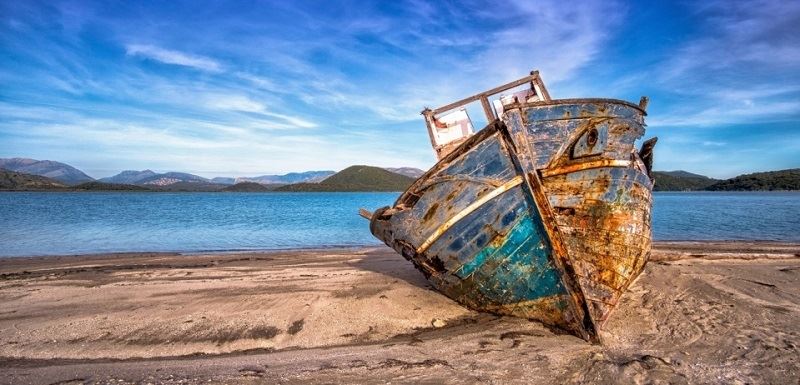
√ Marine or water, a less common environment for metal is submerged in or exposed to water. Moisture is highly corrosive to most metals including steel, aluminum, and zinc. There are many different types of water (pure water, natural fresh water, drinking water, and seawater, and each has different mechanisms that determine the corrosion rate. The parameters that affect corrosion of metals in water include pH level, oxygen content, water temperature, agitation, the presence of inhibitors, and tide conditions. Onshore areas of marine corrosion include docks, harbors, naval yards, where sacrificial anodes providing cathodic protection may be employed, as well as protective coatings such as marine paints and galvanization. Offshore oil and gas platforms are exposed to particularly aggressive corrosion from sea salt spray and immersion.

Above ground,there are five important factors that are essential to atmospheric corrosion: moisture (dew condensation), temperature, humidity, aerosol particle deposition and pollutants. For instance, every 50 degree F (10 degree ) increase in the temperature can double corrosion activity. Another interesting phenomenon is that salt-rich environment and aerosols tend to have high levels of humidity.
Разумевање атмосферске корозије је од суштинског значаја јер је ова врста оштећења најраспрострањенија међу различитим врстама оштећења од корозије и утиче на спољашње и унутрашње инсталације као што су комуналије,инфраструктуре, пројекти соларне енергије, Телеком пројекти, пољопривредни пројекти, возила,конструкција пристаништаи стамбених објеката.